ANANT MUSKAAN: A Multi-site Implementation Research on Primary School-based tooth brushing and oral health education in India
May 2024 – April 2027
ANANT MUSKAAN is an Indian Council of Medical Research (ICMR) led National Health Research Priority (NHRP) study in collaboration with seven sites in India. HRIDAY is the implementation partner for the Delhi site of the study. This implementation research study is for 3 years (2024-2027).
Principal Investigator: Prof. Monika Arora
Co- Investigators: Senior Dentists and Paediatrician from ESIC Dental College and Hospital, Dr BS Ambedkar Medical College and Hospital, Pt. Madan Mohan Malviya Hospital, Kalawati Saran Children’s Hospital, Lady Hardinge Medical College.
Aim of study: In the context of the National Oral Health Programme (NOHP), develop and implement a school-based tooth brushing and oral health education scalable delivery model with high coverage for improving oral health amongst primary school children in seven districts spread over varied sociocultural and geographic regions of India.
Objectives:
- To assess current tooth brushing practices & identify barriers and facilitators to implement an oral health intervention delivery model among primary school children, parents, teachers and other key stakeholders.
- To co-develop and implement a context-specific oral health intervention delivery model and to support its iterative optimization.
- To evaluate the optimized model for acceptability, adoption, fidelity, coverage, and cost.
- To assess the outcome of the optimized model to improve oral hygiene behaviors and its impact on dental caries.
Study Population and geographical spread:
A total of 209 schools and approximately 92000 students, have been selected for participation, including both Government and private schools under the Directorate of Education (DoE) of Zones 12 and 13) and Municipal Corporation of Delhi (MCD) schools within the Rohini zone catering to primary classes 1- 5 in the Northwest B district.
Intervention and Progress:
The intervention focuses on two core components:
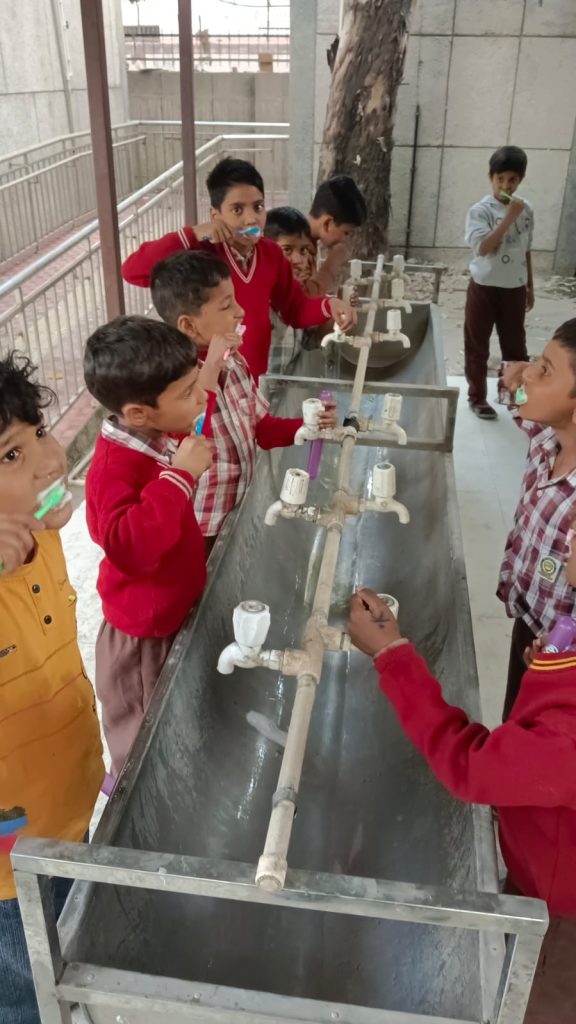
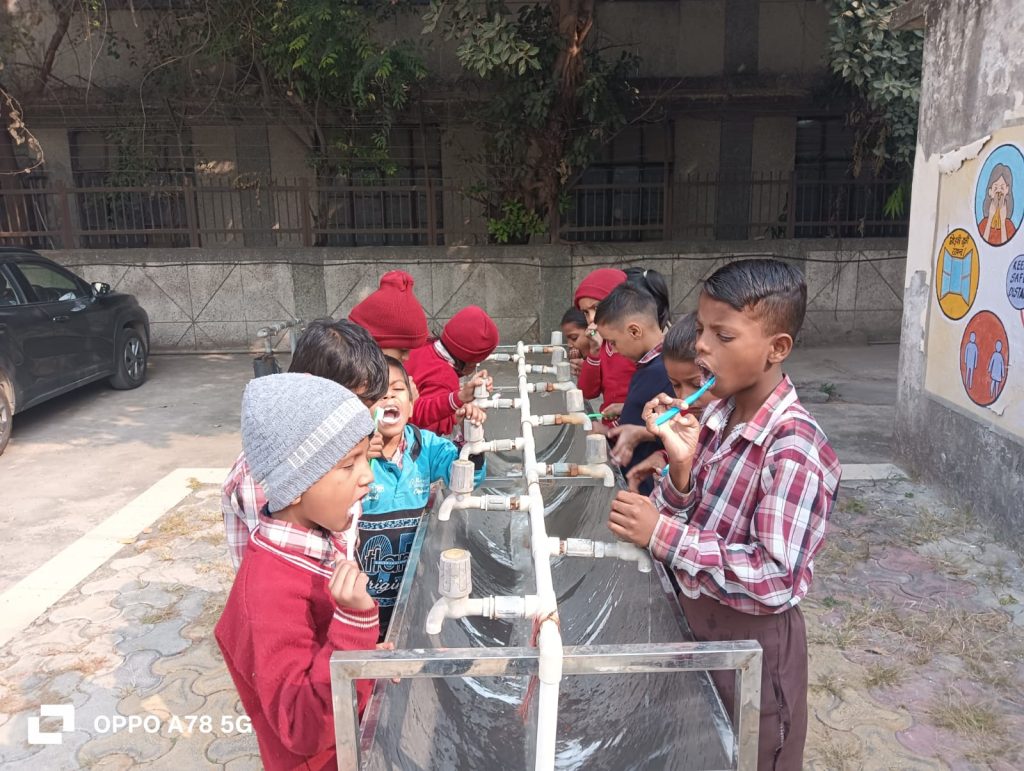
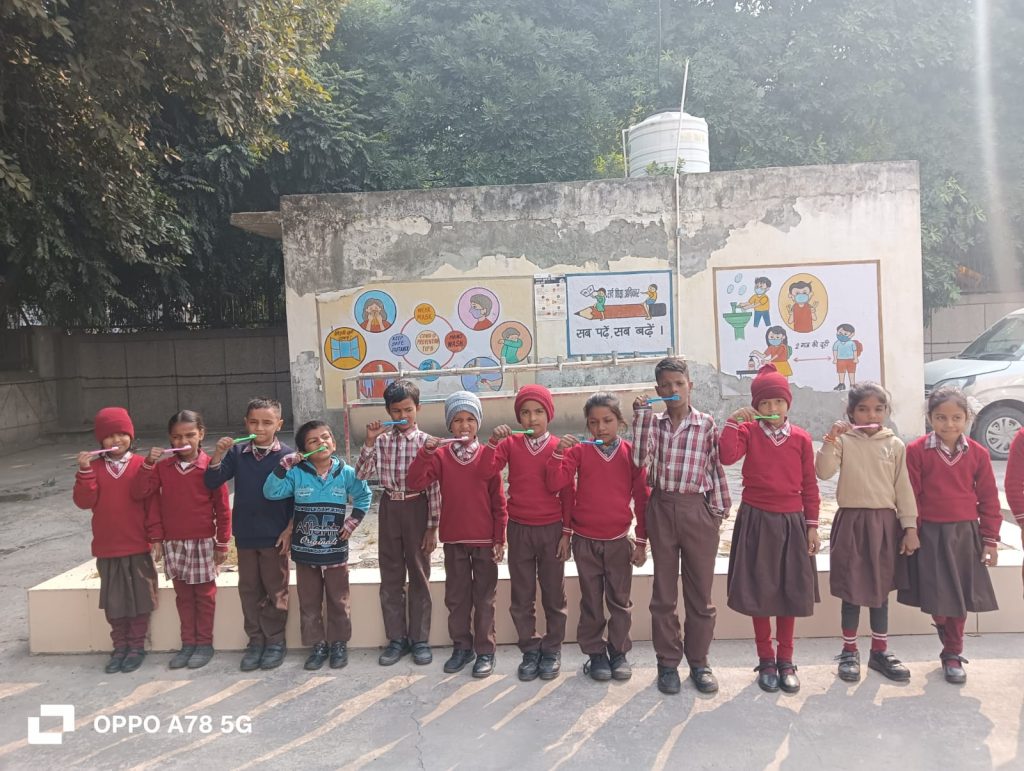
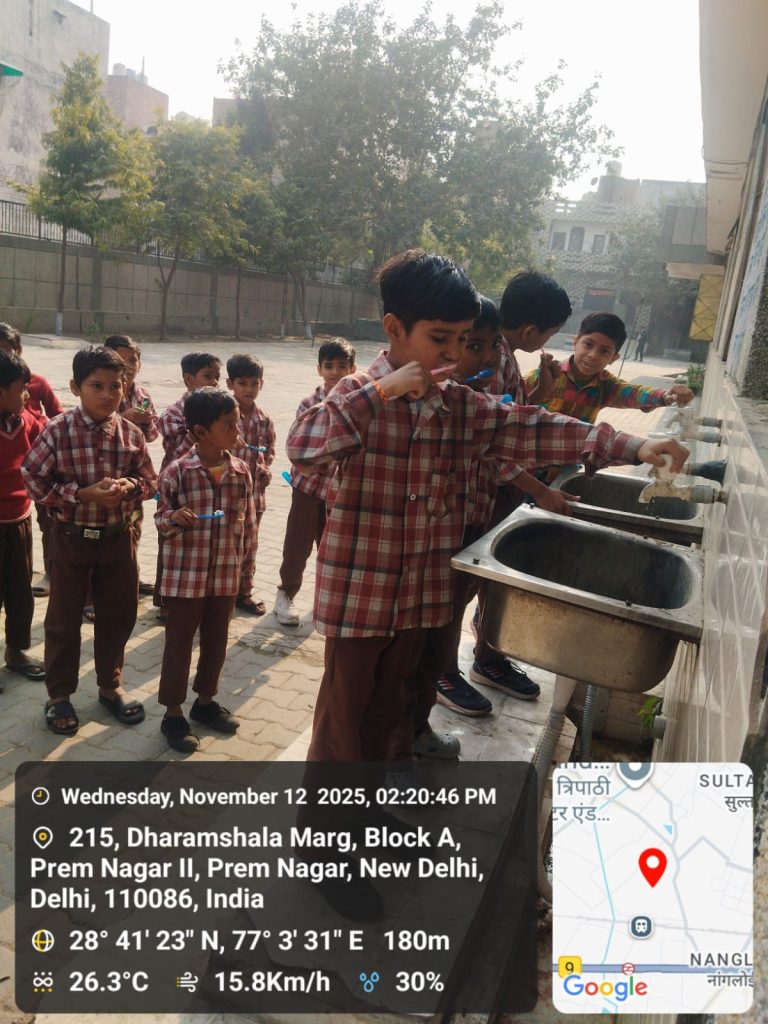
(1) Supervised daily toothbrushing for primary school children (Classes 1–5), and
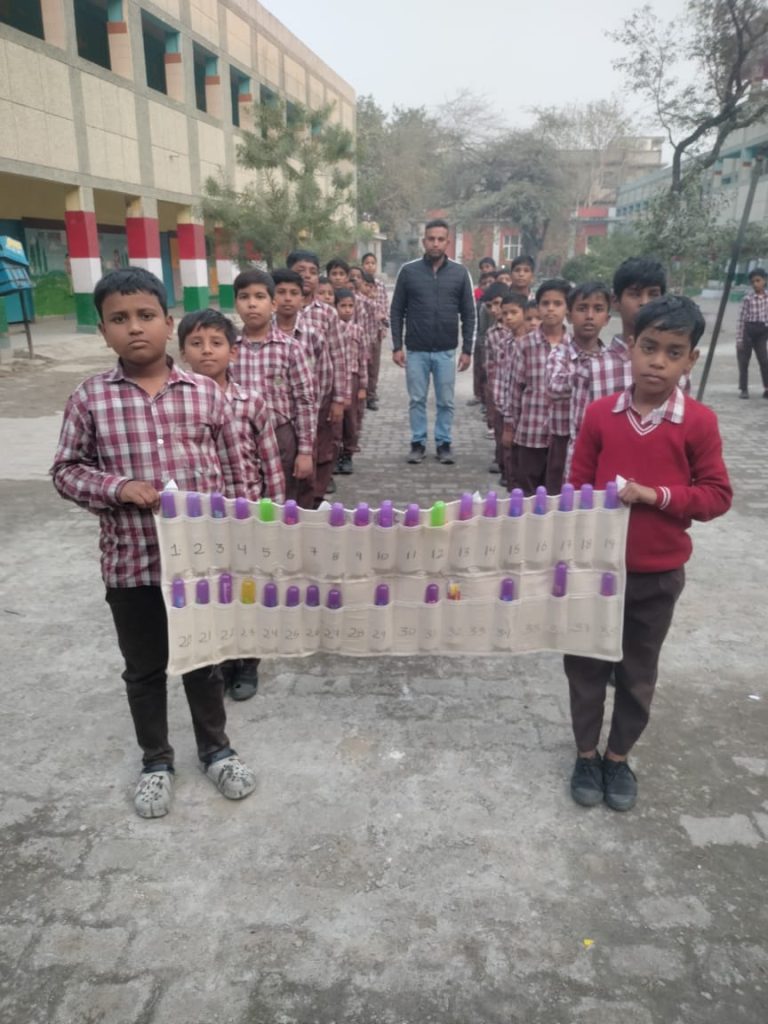
(2) Oral health education tailored for the same age group. HRIDAY, with support from ICMR, supplies toothbrushes, toothpaste, and storage materials. Sensitisation resources such as posters, pamphlets, and videos are developed by site Principal Investigators in collaboration with ICMR and IEC experts for school-based dissemination.
Distribution of toothbrushing kits have been distributed in all 209 schools by HRIDAY team.
Progress till date:
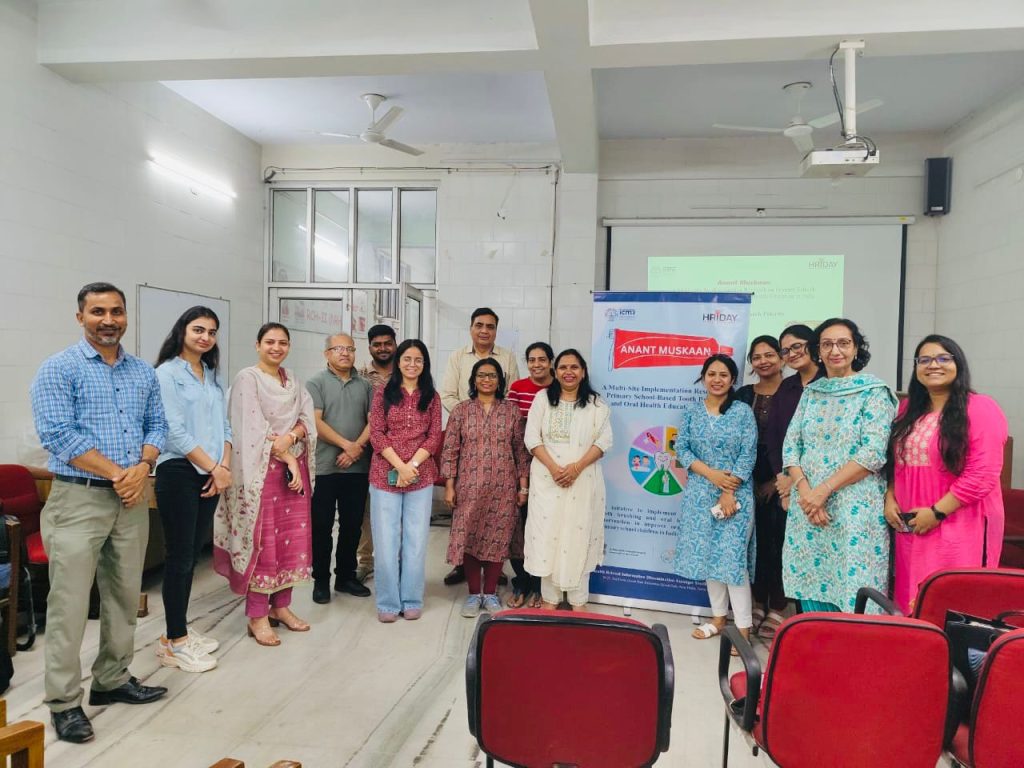
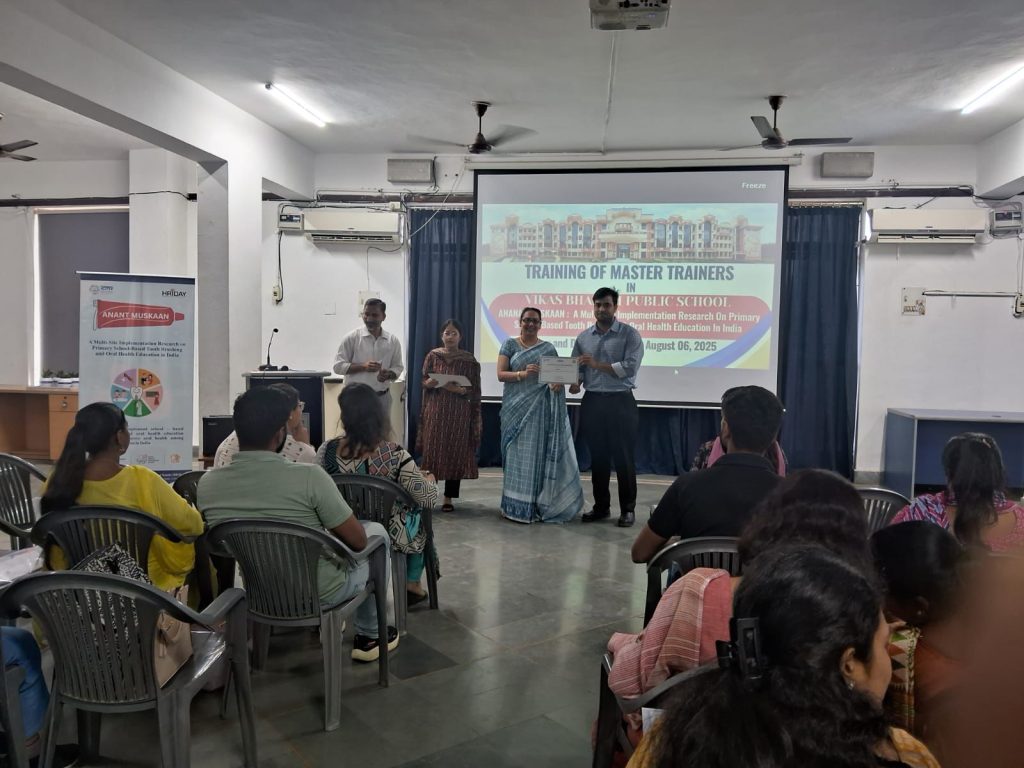
- training of 60 healthcare professionals (MOs/PHNOs).
- 342 master trainers (teachers) and approximately
- 1500 primary school teachers trained by these master trainers.
- Implementation activities have been initiated in all selected schools since July 2025, across Northwest B district, Delhi, with distribution of materials and oral health sessions underway.
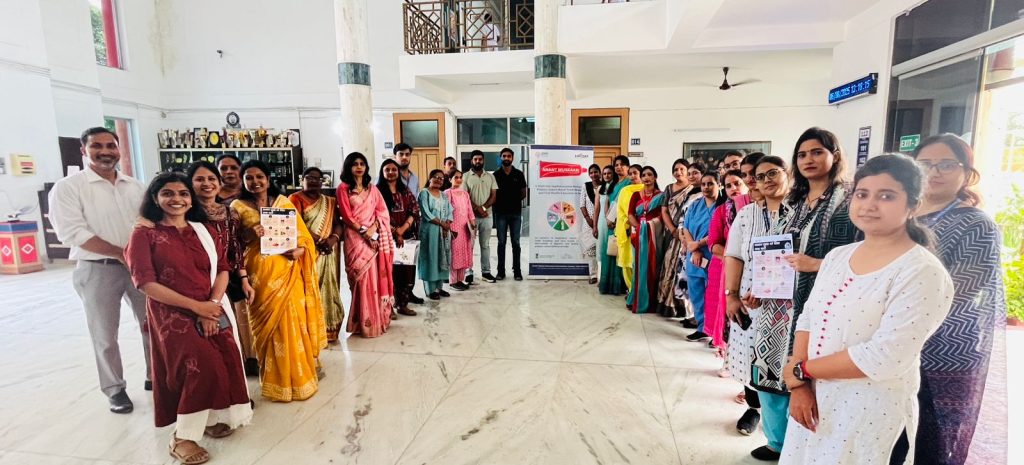
Stakeholder Engagement Meeting (SEM): A multi-sectoral Stakeholder Engagement Meeting was held on 26 November 2024, bringing together 71 key stakeholders from the Directorate General of Health Services (DGHS), NIHFW, ICMR, Chief District Medical Officer (Northwest), Department of Health & Family Welfare, MCD, Directorate of Education, ESIC Dental College & Hospital, AIIMS, Indian Dental Association, government and private health facilities, school authorities, teachers, parents, and NGO representatives. This meeting served as a platform to co-develop context-specific implementation strategies to strengthen oral health promotion within the school health system.
Multi-sectoral Engagement: The multi-sectoral engagement fostered through the ANANT MUSKAAN study at the Delhi site is directly contributing to health system strengthening by building coordinated linkages between the health, education, and community sectors. By bringing together senior policymakers, programme managers, frontline health workers, education authorities, school staff, dental colleges, NGOs, and community leaders, the initiative is enhancing governance, leadership, and intersectoral collaboration i.e., key building blocks of a resilient health system.
The SEM served as a catalyst for co-developing context-specific strategies that integrate preventive oral health interventions into the existing school health platform, optimise resource use through shared infrastructure, and standardise service delivery through monitoring tools and referral pathways. The collaborative planning and execution processes are expected to enhance human resource capacity through structured, systematic training.
OHE modules developed under ANANT MUSKAAN will also inform training content for the State Council of Educational Research and Training (SCERT) and District Institutes of Education and Training (DIETs), ensuring that oral health promotion is institutionalised within teacher training curricula. These efforts are not only improving the reach and quality of school-based oral health services but also reinforcing the broader public health ecosystem’s ability to deliver preventive, promotive, and referral services in a coordinated and sustainable manner.